Acajutla cruise port guide
Acajutla is a working Pacific port and a starting point for exploring western El Salvador.
Your arrival at a glance
- Arrival
Ships dock alongside.
- Getting back
El Salvador · Panama Canal & Central America · Large ships
Checked by Najapi on · Source policy · Suggest a correction
Arrival & Getting Ashore
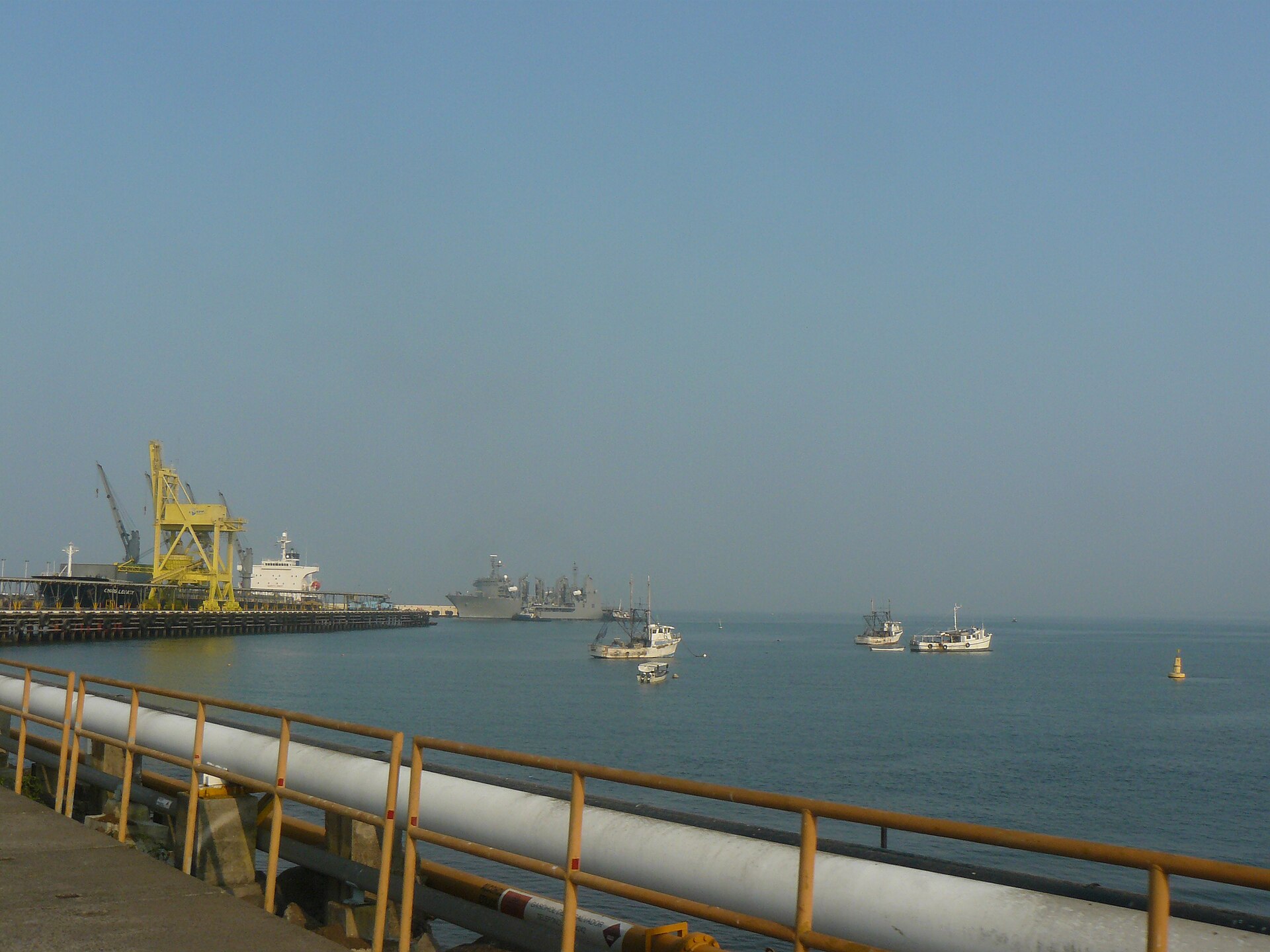
Expect to disembark onto a commercial quay. Muelle A is a documented cruise berth, but use your ship's assigned berth and meeting instructions rather than treating that name as a universal collection address. The industrial port and Acajutla's artisanal fishing pier are separate facilities; make sure a driver knows which one you need.
For an independent outing, arrange the collection point in advance. Local transport operator Línea Ejecutiva advertises pre-arranged cruise passenger collection directly at the pier, with the route coordinated around the ship's arrival and departure. This provides a practical way out of the harbour without relying on finding transport after disembarkation. Follow the crew's directions from the gangway to your vehicle.
If you need mobility assistance, discuss the gangway, vehicle boarding and each attraction separately with the cruise line and transport provider before booking.
About this port
Acajutla is a working Pacific port and a starting point for exploring western El Salvador. The most rewarding choice is usually to build the day around one interest: craft workshops and local history in Nahuizalco, archaeology at Joya de Cerén, or the coast around Los Cóbanos. Arrange transport before leaving the ship; the commercial harbour is a different setting from a town waterfront.
Ocean cruise calls are established here. CEPA documents Crystal Serenity alongside at Muelle A, while Norwegian Cruise Line explicitly identifies Acajutla as a docking port. Holland America also includes it in its Panama Canal programme.
Getting Around
A booked taxi or vehicle with a driver is the practical choice for independent sightseeing. Agree the destination, total charge, waiting arrangements and return collection together. For a shorter local visit, specify an actual address on Avenida Miramar, where the national tourism directory lists a restaurant address, rather than simply asking for “the port”.
For inland trips, a ship excursion or a private itinerary with pier collection gives the day a clear structure. The FCDO's transport advice recommends reputable pre-booked or radio-dispatched taxis and advises against public buses because of petty crime. A succession of local bus connections is therefore a poor fit for a time-limited cruise visit.
Things to Do
Nahuizalco: Choose this for craft shops, furniture workshops and Salvadoran food. The Museo Conmemorativo Náhuatl Pipil covers indigenous heritage and the 1932 massacre; San Juan Bautista church is another stop in town. Yuca pupusas offer a local variation to try at lunch. Plan a daytime visit around the shops and museum: the town's well-known night market is an evening attraction.
Joya de Cerén: This UNESCO World Heritage site preserves a farming community buried by a volcanic eruption around AD 600. Its houses, stores and domestic remains make everyday Maya life the focus. Holland America advertises shore excursions here, and private cruise transport operators also serve it. Make archaeology the main outing rather than adding it to a coast-and-highlands circuit.
Los Cóbanos: The fishing community and surrounding beaches offer a coastal alternative, with rock formations and a protected marine ecosystem. Arrange an outward and return transfer together. Choose a beach visit for time beside the water; take local advice before swimming, as the FCDO warns of strong undertows along El Salvador's Pacific coast.
Getting back to your ship
The return involves the road journey and reaching the correct commercial-port collection or drop-off point. Give your driver the ship's all-aboard time, berth information and port-agent contact before setting off. Agree when to leave your final stop, allowing for traffic and the journey through the port. Return to the industrial harbour, not the fishing pier or a restaurant with “Puerto de Acajutla” in its address.
Practical Information
Spanish is the local language and US dollars are used. Carry small notes for modest purchases and take water, sun protection and comfortable shoes. Save your driver's number and the ship's local contact details offline.
Acajutla uses UTC−6. Follow ship time for the all-aboard deadline, particularly if your itinerary has recently crossed a time zone. Keep valuables discreet and use a reputable operator for excursions away from the main visitor areas.
Sources
Sites consulted: cepa.gob.sv, ncl.com, hollandamerica.com, yilport.com, amp.gob.sv, lineaejecutiva.com, elsalvador.travel, whc.unesco.org, gov.uk. Details can change after a guide is checked, so confirm time-sensitive points with the operator. How we check our guides.
Printed from https://portatlas.co.uk/north-america/el-salvador/acajutla/. Guide check date appears above; consult the sources for time-sensitive details.