Saint-Pierre cruise port guide
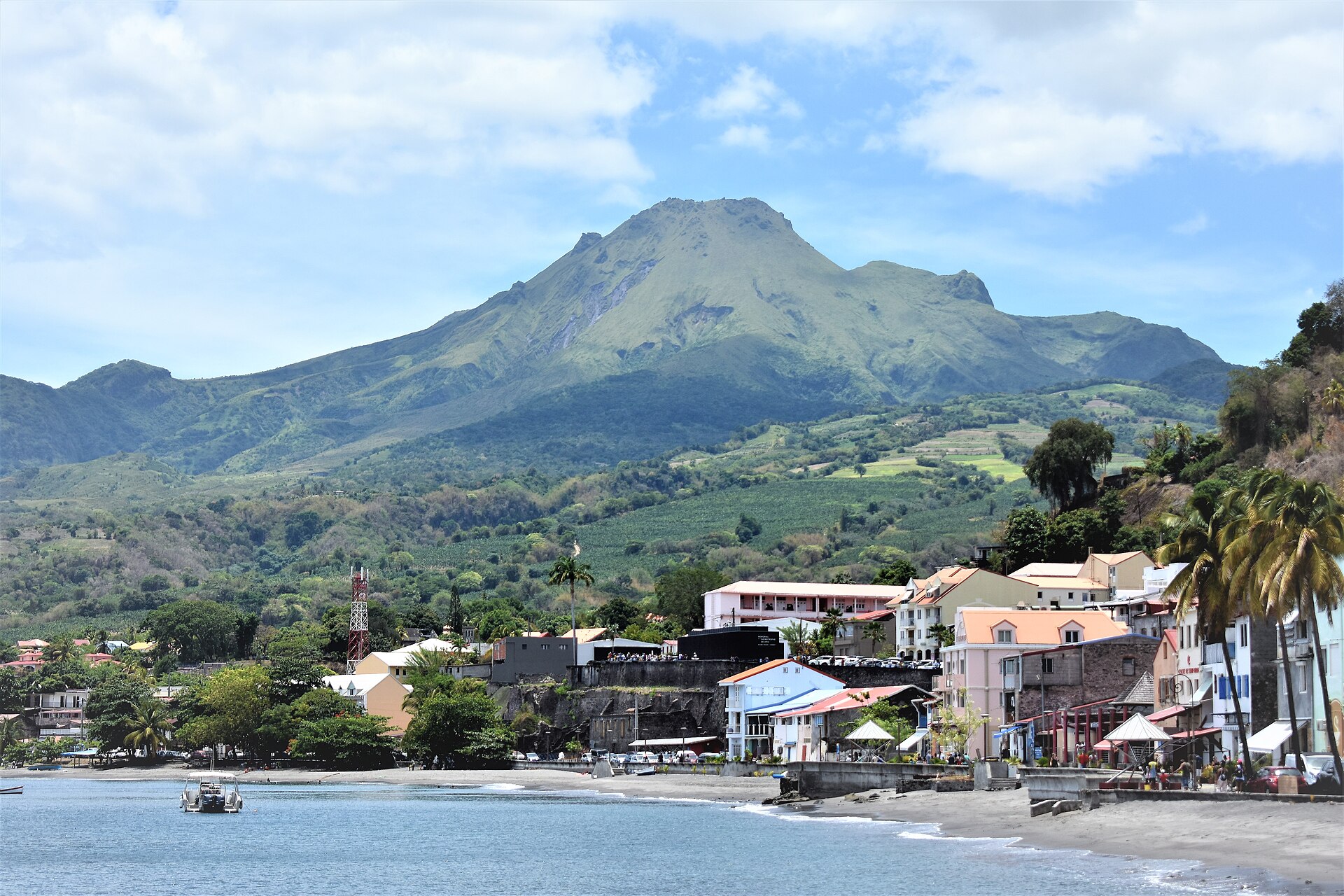
Saint-Pierre is Martinique's northern Caribbean-coast cruise stop, beneath Montagne Pelée.
Your arrival at a glance
- Arrival
Ships anchor offshore and tender you ashore. About tendering
- Getting into town
Communal waterfront pontoon to the main market at Place Bertin.
- Walking
You can walk into town. About the walk. The walk starts at the tender landing.
- Getting back
Martinique · Caribbean & Bahamas · Small ships
Checked by Najapi on · Source policy · Suggest a correction
Arrival & Getting Ashore
Getting to the centre: Communal waterfront pontoon to the main market at Place Bertin.
- Walk: practical on foot; the harbour operator places the market directly opposite the communal pontoon. This is a town arrival rather than a transfer from a distant industrial terminal.
The ship remains offshore while passengers transfer to the pontoon. Local reporting quotes the tourism office on separating cruise passenger access from other users of the pier. Follow the day's controlled route, and note your return boarding point before heading into town.
The bay's operator warns of exposure to north-westerly swell. Landing and return arrangements therefore depend on the ship's assessment of conditions. If tender steps or movement between boat and pier could be difficult, discuss the transfer with the crew before going ashore; the short route to the market does not establish accessible boat boarding.
About this port
Saint-Pierre is Martinique's northern Caribbean-coast cruise stop, beneath Montagne Pelée. Its ruined buildings and memorial museum make the eruption of 1902 the natural focus of a first visit. You can spend the day exploring that history in town, or arrange a separate outing to the Depaz estate above it.
This is Saint-Pierre in Martinique, not Saint-Pierre and Miquelon or Canada's Havre-Saint-Pierre. The Grand Port Maritime records ocean-cruise moorings here, and PONANT lists the destination in its Caribbean programme. Arrival is by tender from a ship offshore.
Getting Around
Choose a walking circuit of town if you want to keep the day flexible. Start with the waterfront and market, then use the memorial museum and theatre ruins as your main stops. Wear shoes suited to old stone surfaces and take breaks rather than treating every ruined site as a compulsory stop.
For Depaz or a wider northern-island outing, arrange an excursion or driver with a specific pickup point and return time. Avoid combining an ambitious inland trip with a tender deadline that leaves little room to recover from delays.
Bus information checked 2026-10-02: Martinique Mobilités warns that northern timetables are being updated. Its website also carries a progressive-restart warning about displaced timetable information. Use the authority's current service notices before planning a bus outing; the website does not establish a dependable Saint-Pierre excursion and return for this guide. A town walk or arranged driver avoids relying on an unconfirmed bus connection.
Things to Do
Mémorial de la catastrophe de 1902: the Musée Frank A. Perret at 169 rue Victor Hugo gives a focused starting point for understanding the destruction of the town. The museum lists €8 adult admission, verified 2026-10-02, subject to change. Its visitor page provides current visiting information.
Theatre ruins and Cyparis's cell: combine these surviving traces with the waterfront market to see how the present town sits alongside the remains of the old one. The tourism board describes Saint-Pierre as a town of art and history; give the sites time for interpretation rather than making the visit solely a photograph circuit.
Depaz estate: a separately arranged visit offers a different view of the area's history. The estate's museum displays rum-making equipment and a film about its workers; the château contains rooms and archives associated with the Depaz family, including material relating to the eruption. Choose the particular visit you want before arranging transport.
Getting back to your ship
Return to the cruise boarding side of the communal pontoon, following the crew's directions. The last tender from shore is the relevant deadline, not the ship's departure time. A road excursion must allow for the drive back, controlled pier access and the boat transfer. Watch for revised instructions if swell increases, and leave shopping until after your main outing so it can be shortened when necessary.
Practical Information
Use euros, and carry a little cash for market purchases. French and Martinican Creole are spoken. Take drinking water, a hat and sun protection for the open-air sites, and keep your ship card protected during the tender crossing. The market area has food shops and restaurants, so a town-focused day can include a meal without another journey. Keep valuables with you when stopping along the waterfront.
Sources
Sites consulted: martinique.port.fr, ponant.com, saint-pierre.marina-martinique.fr, rci.fm, martinique.org, memorial1902.org, depaz.fr, itineraires.martiniquemobilites.mq, mice.martinique.org. Details can change after a guide is checked, so confirm time-sensitive points with the operator. How we check our guides.
Printed from https://portatlas.co.uk/north-america/martinique/saint-pierre/. Guide check date appears above; consult the sources for time-sensitive details.