Douarnenez cruise port guide
Douarnenez is a port town whose most useful sightseeing thread is the sardine industry: the harbours…
Your arrival at a glance
- Arrival
Ships anchor offshore and tender you ashore. About tendering
- Getting into town
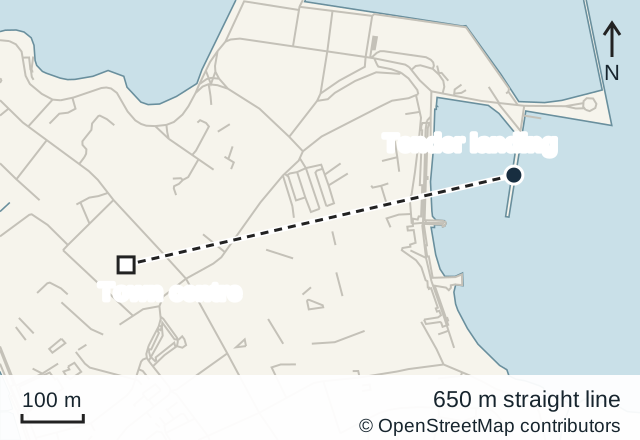
For a visit from the ship's Douarnenez tender landing, the Port-Musée at Place de l'Enfer is a useful central landmark; the bus figures below begin at the town's Le Port stop.
Fares checked .
- Getting back
France · Western Mediterranean · Small ships
Checked by Najapi on · Source policy · Suggest a correction
Arrival & Getting Ashore
Getting to the centre: For a visit from the ship's Douarnenez tender landing, the Port-Musée at Place de l'Enfer is a useful central landmark; the bus figures below begin at the town's Le Port stop.
- Public transport: TUD'Bus line 1 from Le Port to Médiathèque Musée, €1 one way bought from the driver, three minutes in the bus, Monday–Saturday; this is a town-side bus leg, separate from the tender landing.
Prices checked 2026-09-08. Sources: TUD'Bus 2026–2027 network guide, TUD'Bus ticket rules.
Orientation, not a walking route
© OpenStreetMap contributors · Open in OpenStreetMap
Expect to tender from an anchored ship. HX's published 2026 voyage description explicitly includes Douarnenez among its tender landings, subject to conditions.
Follow the ship's landing instructions for the pontoon and route to the public street. Port-Rhu, Rosmeur and Tréboul are distinct harbours.
Keep the ship's last-tender time separate from its sailing time, and build a queueing allowance into your return. Anyone needing assistance should check tender and pontoon access with the cruise line; accessibility ashore alone does not establish whether the transfer is suitable.
About this port
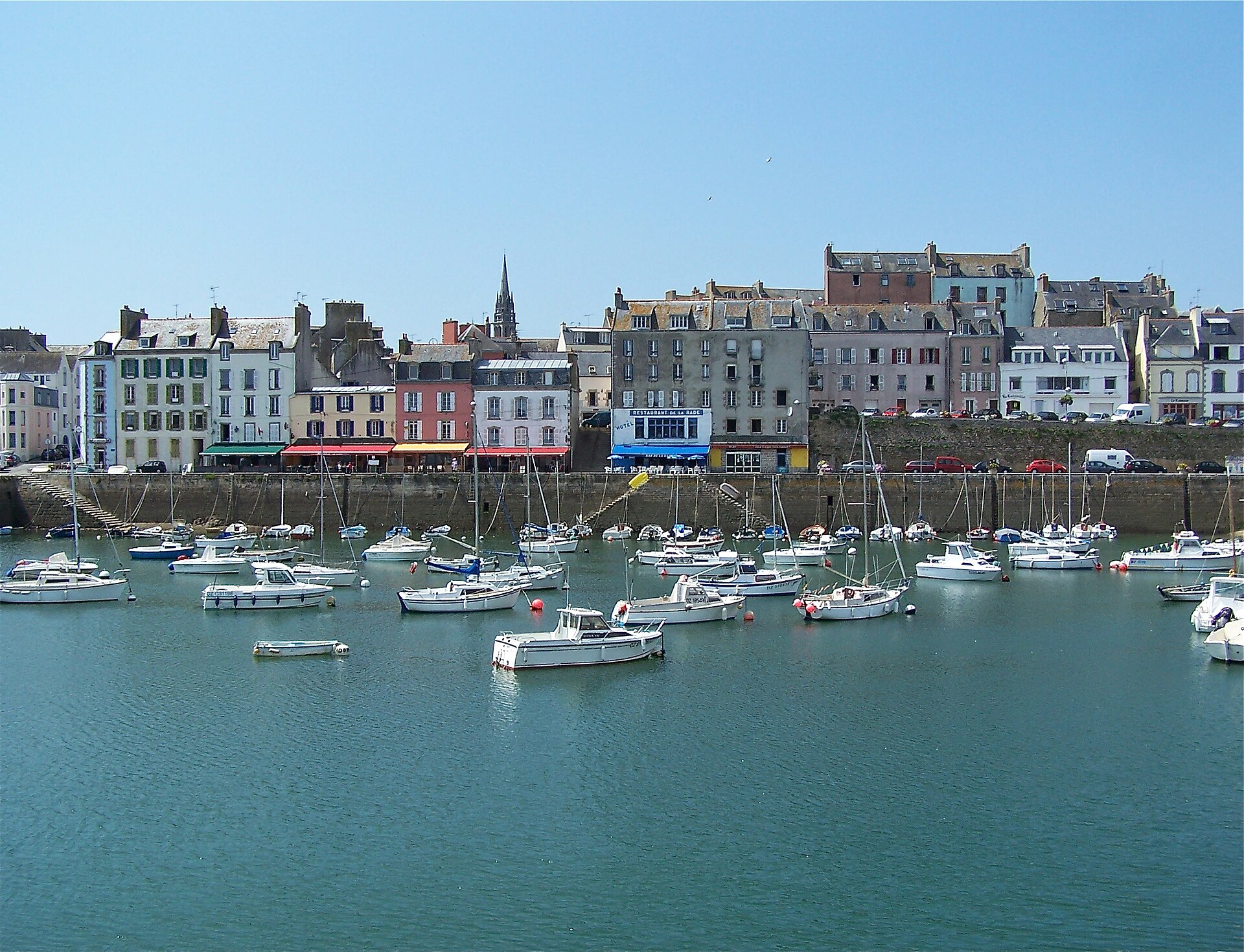
Douarnenez is a port town whose most useful sightseeing thread is the sardine industry: the harbours, former fishing neighbourhoods and maritime collections explain how the town developed. A few hours ashore suit a walk between waterfront viewpoints and the Port-Musée, with time left for a café stop.
The harbours have different identities. Rosmeur is associated with fishing, while Port-Rhu is the setting for the maritime museum and its historic boats. Establish your landing location before deciding which to visit first. The wooded Île Tristan is another possible attraction, but access requires more planning than simply arriving at low tide.
Getting Around
Walking works well for a visit focused on one harbour and its nearby streets. The town's Chemin de la Sardine connects a wider set of viewpoints and historic locations, but includes hills and steps. Select part of it if you have limited time or prefer a gentler walk.
TUD'Bus is the local public transport network. Line 1 links Le Port, Plage des Dames, Médiathèque Musée and the Office de Tourisme before continuing towards Tréboul and Les Sables Blancs. A €1 one-way ticket includes a connection to another TUD'Bus line within 45 minutes (checked 2026-09-08). For an excursion beyond town, arrange both outward and return transport instead of assuming a taxi will be waiting when you need one.
Things to Do
- Follow part of the Chemin de la Sardine. The tourist office describes a 4.5 km route marked by bronze pavement signs and interpretation panels. It links the Plomarc'h viewpoint, Rosmeur, town streets and Port-Rhu, explaining the development of the sardine trade. Walking the whole route and visiting a museum may be too much for a short call; choose a section that returns conveniently to your landing.
- Visit the Port-Musée. At Place de l'Enfer beside Port-Rhu, this museum brings together boats and maritime stories from different places and traditions. It has displays ashore and historic vessels afloat. Check the operator's current visitor information for opening arrangements and which boats can be boarded; vessel access may involve steps and confined spaces even when the museum building is suitable.
- Spend time around Rosmeur. The harbour and surrounding streets give the fishing story a physical setting. View the working areas from public spaces, then leave time to pause along the waterfront. This can be the main activity for a relaxed call rather than a stop squeezed between longer trips.
- Consider Île Tristan only when access fits. The tourist office publishes permitted crossing dates and offers guided visits. Some access is on foot and some organised visits use boats. Low tide by itself is insufficient: follow the authorised crossing window and current conditions. If the timing conflicts with your tender return, enjoy the island from the mainland waterfront instead.
Getting back to your ship
TUD'Bus is the local public transport network. Line 1 links Le Port, Plage des Dames, Médiathèque Musée and the Office de Tourisme before continuing towards Tréboul and Les Sables Blancs. A €1 one-way ticket includes a connection to another TUD'Bus line within 45 minutes (checked 2026-09-08). For an excursion beyond town, arrange both outward and return transport instead of assuming a taxi will be waiting when you need one.
Practical Information
French is the official language, the currency is the euro (€), and 112 reaches emergency services. Keep your ship's contact number and tender landing details with you.
Wear shoes with grip for slopes and waterfront surfaces, and take a layer suitable for wind or rain. Museum hours, boat access and island arrangements can change, so use the linked operators for current details. The town walk gives you a flexible alternative when an attraction is closed or the weather shortens your time ashore.
Frequently asked
Do cruise ships dock or tender in Douarnenez? They tender on the documented HX calls. The ship anchors offshore and passengers transfer ashore by boat.
How much is a local bus in Douarnenez? €1 one way, bought from the driver. The ticket includes a connection to another TUD'Bus line within 45 minutes.
How do you reach Douarnenez's Port-Musée by bus? Take TUD'Bus line 1 from Le Port to Médiathèque Musée, a three-minute ride Monday–Saturday. These figures begin at the public bus stop, separate from the ship's tender landing.
Can you explore Douarnenez on foot? Yes. A walk around one harbour and its neighbouring streets fits a short visit. The longer 4.5 km Chemin de la Sardine includes hills and steps.
Sources
Sites consulted: tudbus.bzh, travelhx.com, douarnenez-tourisme.com, port-musee.org, douarnenez.bzh, european-union.europa.eu, service-public.gouv.fr, lanticapitaliste.org. Details can change after a guide is checked, so confirm time-sensitive points with the operator. How we check our guides.
Printed from https://portatlas.co.uk/europe/france/douarnenez/. Guide check date appears above; consult the sources for time-sensitive details.