Porto Santo Stefano cruise port guide
Porto Santo Stefano occupies the northern side of Monte Argentario, on the Tuscan coast. Its waterfront, old harbour and Spanish fortress offer enough for a satisfying short visit.
Your arrival at a glance
- Arrival
Ships either dock or anchor and tender you ashore. About tendering
- Getting into town
From Molo Garibaldi or the town tender landing to the lower waterfront and Piazza dei Rioni.
- Walking
Realistic along the lower waterfront; the route to the Spanish fortress climbs above the harbour. If you tender, the walk starts at the landing.
- Getting back
Italy · Western Mediterranean · Small ships
Checked by Najapi on · Source policy · Suggest a correction
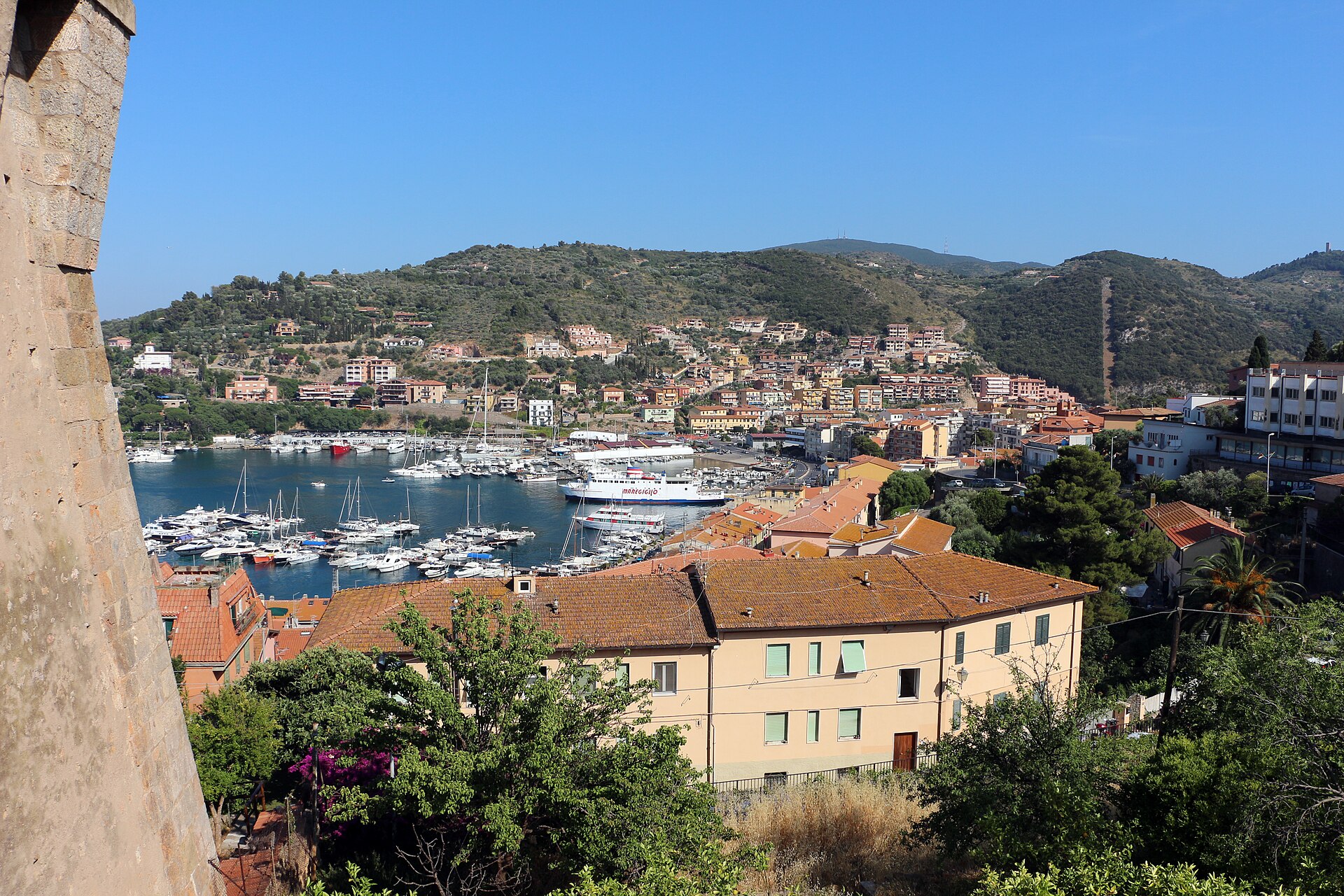
Arrival & Getting Ashore
Getting to the centre: From Molo Garibaldi or the town tender landing to the lower waterfront and Piazza dei Rioni.
- Walk: realistic along the lower waterfront; the route to the Spanish fortress climbs above the harbour.
Sources: PortArgentario port information, PortArgentario call report, Il Tirreno.
Orientation, not a walking route
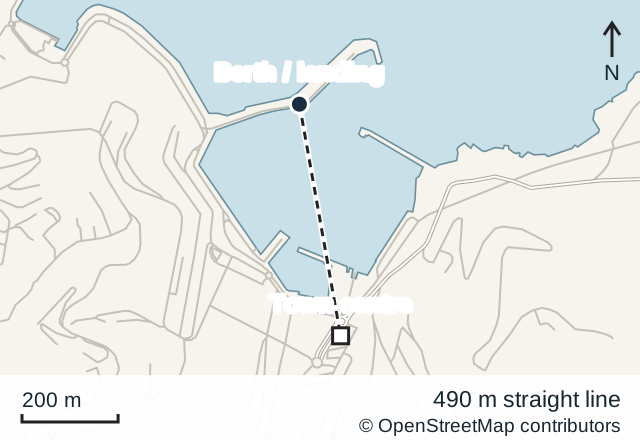
© OpenStreetMap contributors · Open in OpenStreetMap
Access is genuinely mixed in practice. Dated 2025 reports record La Belle des Océans and Emerald Sakara alongside at Molo Garibaldi, while Seabourn Ovation and Silver Ray anchored in the roadstead and tendered passengers ashore.
PortArgentario lists a public quay for vessels up to 125 metres long and an anchorage approximately half a nautical mile from the harbour. Your ship's daily programme identifies whether you will use the gangway or a tender.
Porto del Valle is the commercial harbour; Porto della Pilarella is the old harbour. Both belong to the town's waterfront, but the route to shops or the fortress varies with the actual quay.
About this port
Porto Santo Stefano occupies the northern side of Monte Argentario, on the Tuscan coast. Its waterfront, old harbour and Spanish fortress offer enough for a satisfying short visit. The town also serves departures to Giglio, but an island crossing needs a much more generous timetable than a walk ashore.
For a few hours, choose a route that follows the seafront and adds the fortress if the climb and opening arrangements suit you. Porto Ercole is another settlement on the peninsula, with a separate harbour; it should be treated as an excursion destination rather than a continuation of the same waterfront walk.
Getting Around
Walk along the seafront for the simplest outing. The fortress is above the waterfront, so include a climb and descent in your plans. Passengers who prefer a gentler visit can stay around the lower streets and harbour.
Autolinee Toscane route 0o1 links Porto Santo Stefano with Orbetello and its railway station. The route page lists stops around Porto del Valle, Molo Garibaldi and Lungomare Navigatori; some journeys have different endpoints.
Rail travel begins at Orbetello, reached by bus or road transfer. For a short call, a visit to Orbetello itself is easier to assess than a longer journey involving onward trains. If arranging a driver, specify Porto Santo Stefano and your exact collection point, then agree the return time and price.
Things to Do
Follow the waterfront towards the old harbour. Give yourself time to stop rather than treating the promenade solely as a route to another attraction. A café break or harbour-side meal can fit around the ship's schedule with little transport planning.
Visit the Fortezza Spagnola when open. The fortress is Porto Santo Stefano's principal historic landmark. Tuscany's tourism board identifies exhibitions devoted to underwater archaeology and traditional boatbuilding. The fortress museum page carries current visitor information.
Consider a peninsula outing. The Argentario landscape includes wooded slopes, beaches and coves, but these are not all accessible by a simple walk from the port. Pick a destination with a confirmed vehicle drop-off and manageable final approach. Avoid treating a scenic circuit and a beach stop as automatic additions to a short town visit.
Assess Giglio carefully. The island is served from Porto Santo Stefano, but an independent visit involves ferry timings, boarding and a second return deadline. Only use a complete round trip that leaves ample spare time; otherwise keep the day on the mainland.
Getting back to your ship
Rail travel begins at Orbetello, reached by bus or road transfer. For a short call, a visit to Orbetello itself is easier to assess than a longer journey involving onward trains. If arranging a driver, specify Porto Santo Stefano and your exact collection point, then agree the return time and price.
Practical Information
Italian is the local language and payments are in euros. Dial 112 for emergencies. Carry water, sun protection and shoes with grip for the fortress approach.
Allow time to get back through any port controls or tender queue; the ship's departure time is not the deadline for reaching the shore landing.
Frequently asked
Can you walk from the Porto Santo Stefano landing into town? Yes. The lower waterfront is a realistic walk from Molo Garibaldi or the town tender landing, while the Spanish fortress is uphill.
Do cruise ships dock or tender in Porto Santo Stefano? Both are common. Smaller ships have berthed at Molo Garibaldi, while larger vessels have anchored and tendered passengers ashore.
Is there a public bus from Porto Santo Stefano? Yes. Autolinee Toscane route 0o1 links waterfront stops with Orbetello and its railway station.
Where is the Spanish fortress in Porto Santo Stefano? It stands above the waterfront, so the visit requires a climb and descent.
Sources
Sites consulted: comune.monteargentario.gr.it, portargentario.it, visittuscany.com, museidimaremma.it, at-bus.it, european-union.europa.eu, esteri.it, it.linkedin.com, iltirreno.it. Details can change after a guide is checked, so confirm time-sensitive points with the operator. How we check our guides.
Printed from https://portatlas.co.uk/europe/italy/porto-santo-stefano/. Guide check date appears above; consult the sources for time-sensitive details.