Red Bay cruise port guide
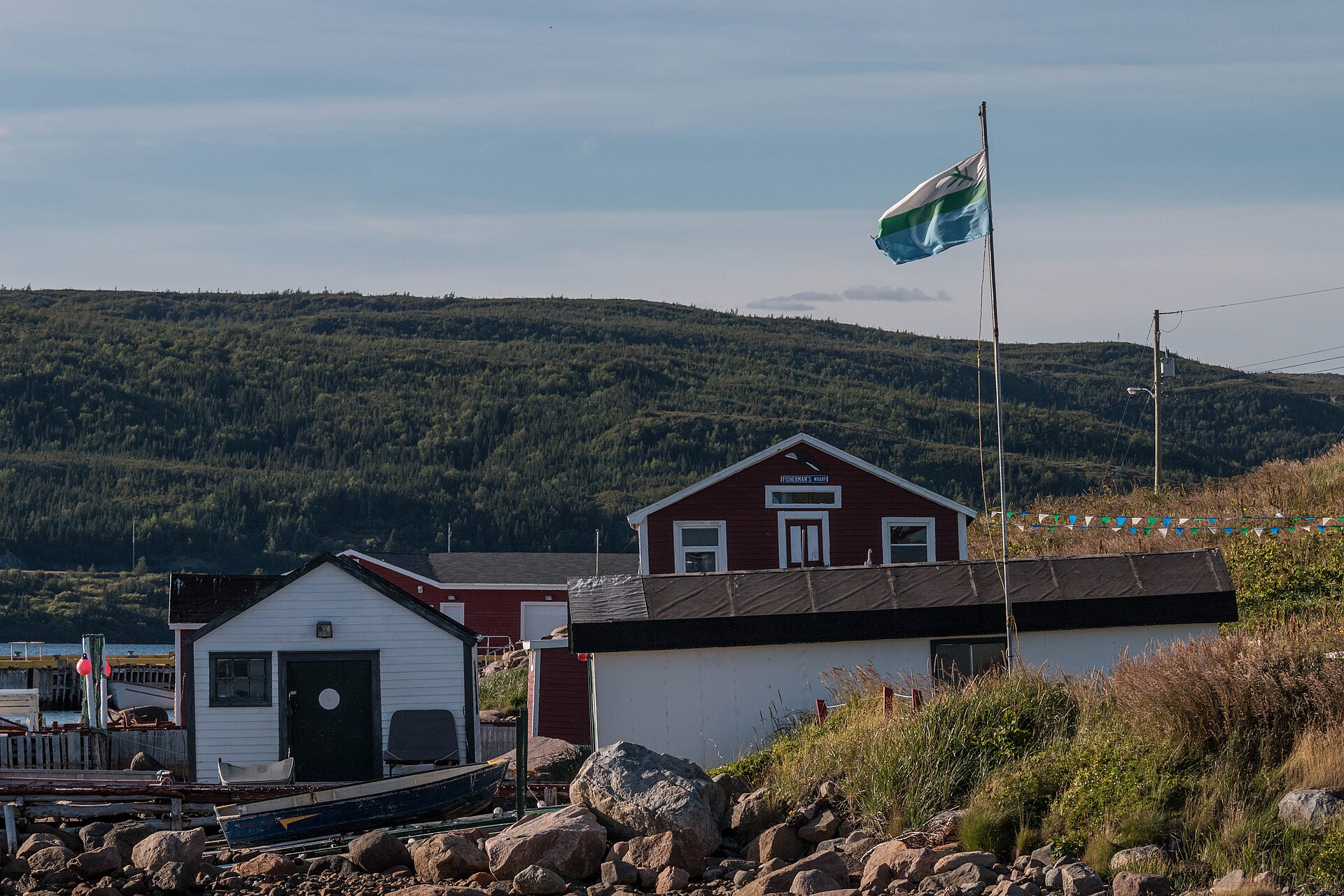
Red Bay is a small Labrador harbour whose significance is easiest to appreciate through its archaeology.
Your arrival at a glance
- Arrival
Ships anchor offshore and tender you ashore. About tendering
- Getting back
Canada · Canada & New England · Small ships
Checked by Najapi on · Source policy · Suggest a correction
Arrival & Getting Ashore
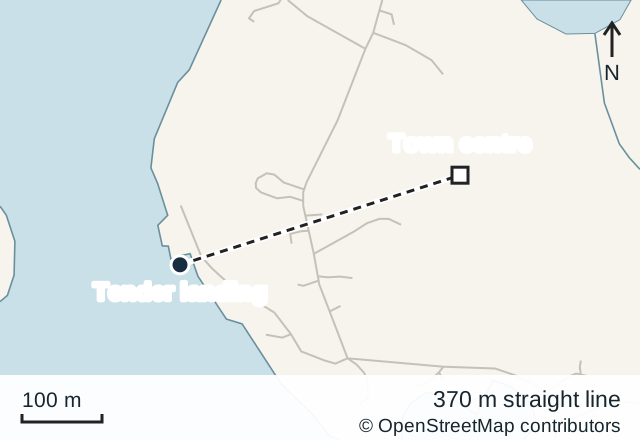
Orientation, not a walking route
© OpenStreetMap contributors · Open in OpenStreetMap
Ships bring passengers ashore by tender. Cruise Newfoundland & Labrador's account of the port identifies a floating dock installed for tender operations alongside improvements to the wharf and visitor amenities. The ship manages the crossing and specifies the actual return landing for your call.
Take the tender briefing seriously: boarding arrangements and the decision to run boats belong to the crew. Keep the last-tender time separate from the ship's sailing time. For reduced mobility, establish whether your ship can accommodate you on the boat transfer; a floating dock does not by itself demonstrate step-free access from ship to shore.
About this port
Red Bay is a small Labrador harbour whose significance is easiest to appreciate through its archaeology. Basque crews processed whale oil here in the sixteenth century, leaving remains on land and underwater that underpin its UNESCO World Heritage status. The national historic site provides the context; the harbour and surrounding paths provide the landscape.
This is an established call for small ocean and expedition ships. A satisfying short visit can concentrate on the historic site and waterfront. With more time and suitable conditions, add a guided visit to Saddle Island or a climb above the village, rather than treating every option as part of one compulsory circuit.
Getting Around
Begin with the interpretation facilities by the waterfront. The Parks Canada site and local trails are the practical focus for a visit on foot, but individual walks differ considerably in effort. Pick up the site layout before setting out, and decide whether your time is better spent on archaeology or on a hill walk.
Saddle Island requires another boat journey, separate from the tender that brought you from the ship. Choose a departure with a workable return connection, preferably within an arranged excursion. For an outing farther along the coast, book transport for the whole excursion instead of relying on finding a return ride after arrival.
Things to Do
Red Bay National Historic Site explains the whaling settlement through objects recovered by archaeologists, including a restored chalupa, the small boat used by the whalers. Start here before visiting the outdoor remains: the exhibits help make sense of a landscape whose most important features are not monumental buildings.
Saddle Island adds the working landscape of the whaling station. Parks Canada advertises a guided archaeological walk of about one hour, reached by a short ferry crossing and available by reservation during its published June–September programme season (checked 2026-10-02). That hour describes the tour, not the full outing from your cruise ship. For an autumn call outside that programme season, establish whether an island visit is specifically arranged. Use the programme page to arrange a place and allow separately for both boat journeys.
Tracey Hill Trail provides the elevated harbour view. The provincial tourism listing describes 689 steps, climbing on a boardwalk with resting points. It is a sustained uphill option, so leave room for the descent and the walk back to the landing. Prefer the waterfront interpretation if steps, wet surfaces or limited time make that a poor fit.
For a quieter pause, Parks Canada identifies picnic spots and the interpretation centre's deck overlooking the harbour. This offers a way to enjoy the setting without committing to another crossing or a long climb.
Getting back to your ship
Return to the cruise tender landing, not simply to a convenient point on the waterfront. If visiting Saddle Island, work backwards through the island boat's return, the shore connection and the ship's last tender. For Tracey Hill, turn back with time for the descent. Follow the crew's revised instructions if the landing operation changes; local attraction hours do not extend your ship's return window.
Practical Information
The national historic site's standard daily admission is C$14.75 per adult, checked 2026-10-02. Establish which admission and boat costs your excursion includes. Use the site's operating-hours page for a shoulder-season visit; exhibition opening and island-tour availability are separate questions.
Parks Canada lists toilets and Wi-Fi among its visitor facilities. Bring warm, windproof clothing, water and shoes with grip. Keep essential medication and the ship's contact information with you. Around archaeological remains, follow marked visitor routes and leave objects where they are.
Sources
Sites consulted: seabourn.com, cruisenl.ca, parks.canada.ca, newfoundlandlabrador.com. Details can change after a guide is checked, so confirm time-sensitive points with the operator. How we check our guides.
Printed from https://portatlas.co.uk/north-america/canada/red-bay-labrador/. Guide check date appears above; consult the sources for time-sensitive details.