Montréal cruise port guide
Montréal is an ocean-cruise embarkation port and port of call reached along the St Lawrence.
Your arrival at a glance
- Arrival
Ships dock alongside.
- Getting into town
Grand Quay Terminals 1 and 2 to Old Montréal, at Pointe-à-Callière.
- Walking
- Getting back
Canada · Canada & New England · Large ships
Checked by Najapi on · Source policy · Suggest a correction
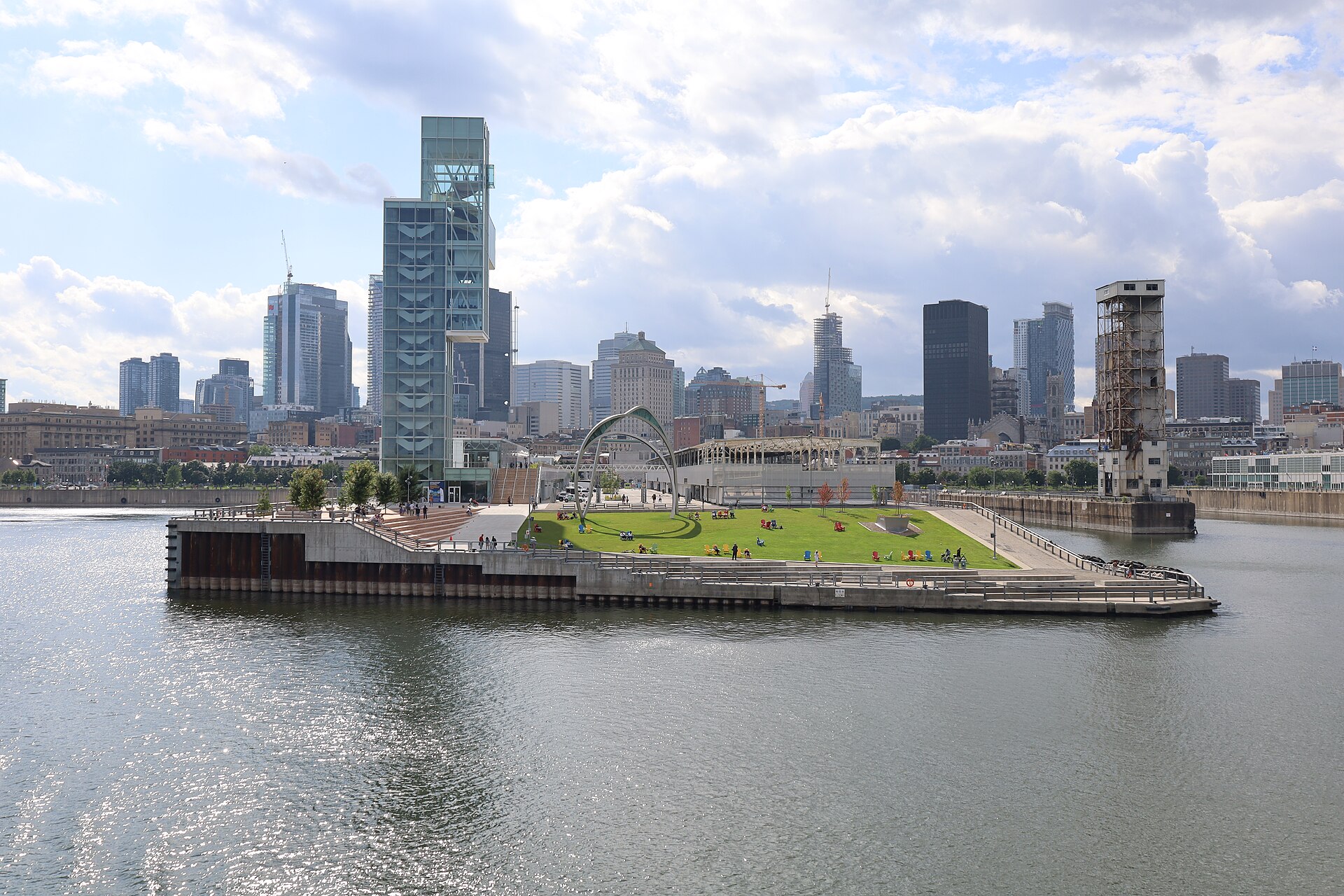
Arrival & Getting Ashore
Getting to the centre: Grand Quay Terminals 1 and 2 to Old Montréal, at Pointe-à-Callière.
- Walk: practical from these terminals; Tourisme Montréal locates Grand Quay in Old Montréal, across from the Pointe-à-Callière museum. This route description does not apply to Terminal 3 or the other berths below.
Orientation, not a walking route
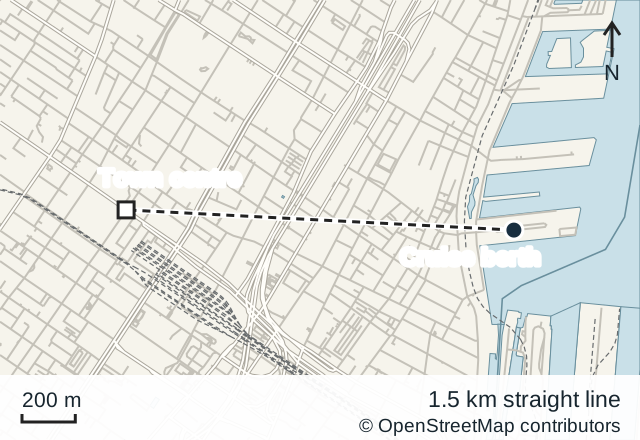
© OpenStreetMap contributors · Open in OpenStreetMap
Ships dock alongside. Grand Quay's Terminals 1 and 2 use 200 rue de la Commune Ouest. For Terminal 3, the port directs vehicles through the Berri entrance at rue de la Commune Est, then along the port road. Berths B1 and M5 have a different address again: 851 rue des Moulins. The port also refers to Terminal 4 at Grand Quay; use the entrance specified in your cruise documents if that is your assignment. Keep the terminal name and address available. Port access instructions.
For a transit visit, use the passenger exit and return arrangements announced aboard. For embarkation, follow your assigned check-in time and terminal; “Old Port” is not specific enough for a driver. Passenger areas have controlled access, so leave time for formalities rather than expecting to go straight from the street onto the vessel.
About this port
Montréal is an ocean-cruise embarkation port and port of call reached along the St Lawrence. Grand Quay offers an especially convenient arrival in Old Montréal, but the port uses other passenger locations too. Find out which terminal applies before planning a walk or ordering a car. For a few hours ashore, Old Montréal's streets, waterfront and museums form a coherent visit; a cross-city itinerary is less forgiving if your ship uses a more distant berth.
Getting Around
From Grand Quay, walking keeps the historic quarter straightforward. Pointe-à-Callière is a useful first landmark, and Place-d'Armes is the métro station identified by the tourism board for this area. Public transport becomes more useful when you want to leave Old Montréal; use the station and destination in your route search, not the general cargo port.
STM's adult one-trip All Modes A fare is C$3.75, verified 2026-10-02. It covers eligible bus, métro, train and REM journeys within Zone A, with transfers subject to its rules; it is not a return ticket and does not cover the 747 airport bus. Buy at a métro ticket machine or use exact coins on a bus. STM fare conditions.
Airport travel is a separate task. The port identifies the 747 as the airport-to-downtown bus, not a direct service to every cruise terminal. If carrying luggage or using an outlying berth, arrange the final connection to your actual boarding address before setting off.
Things to Do
An Old Montréal walk works well when you want freedom to stop for food or shorten the outing. Use Place d'Armes and the surrounding historic streets as a focus rather than trying to cover the whole city. The tourism board's district guide gives a useful selection of architecture, restaurants and cultural stops.
Pointe-à-Callière is the natural museum choice from Grand Quay. The archaeology and history complex incorporates remains associated with Montréal's development, making it more than a collection of objects brought from elsewhere. Choose it if you want to understand the ground beneath the old quarter, and allow a proper visit rather than a quick stop between transfers. Tourism board museum description.
Château Ramezay offers another historical focus, while the Old Port waterfront suits a less structured outing. Pick one museum and time outdoors according to the weather and your interests; both need not be squeezed into the same short call.
Getting back to your ship
Return to the terminal on your cruise documents. A pleasant walk back to Grand Quay would be the wrong journey for a ship at Terminal 3, B1 or M5. When using a car, give the driver the specific port entrance as well as the vessel name. Include street traffic, the final terminal approach and passenger checks when working back from all-aboard. On embarkation day, observe the check-in deadline even if sailing is later.
Practical Information
Use Canadian dollars for local prices and retain your transit ticket until the journey is complete. Grand Quay has washrooms. Keep essential medication and boarding documents with you, particularly if leaving luggage during embarkation. For mobility planning, discuss the actual ship-to-terminal route with the cruise line; a public building's accessibility listing does not establish the conditions at every berth or throughout Old Montréal.
Sources
Sites consulted: port-montreal.com, mtl.org, stm.info. Details can change after a guide is checked, so confirm time-sensitive points with the operator. How we check our guides.
Printed from https://portatlas.co.uk/north-america/canada/montreal/. Guide check date appears above; consult the sources for time-sensitive details.