Yokohama cruise port guide
Yokohama is a worthwhile city stop in its own right, with waterfront parks, Chinatown and the Red Brick Warehouse district.
Your arrival at a glance
- Arrival
Ships dock alongside.
- Getting into town
Establish which of Yokohama's cruise terminals your ship uses before choosing a walking route or station.
- Walking
- Getting back
Japan · Large ships
Checked by Najapi on · Updated · Source policy · Suggest a correction
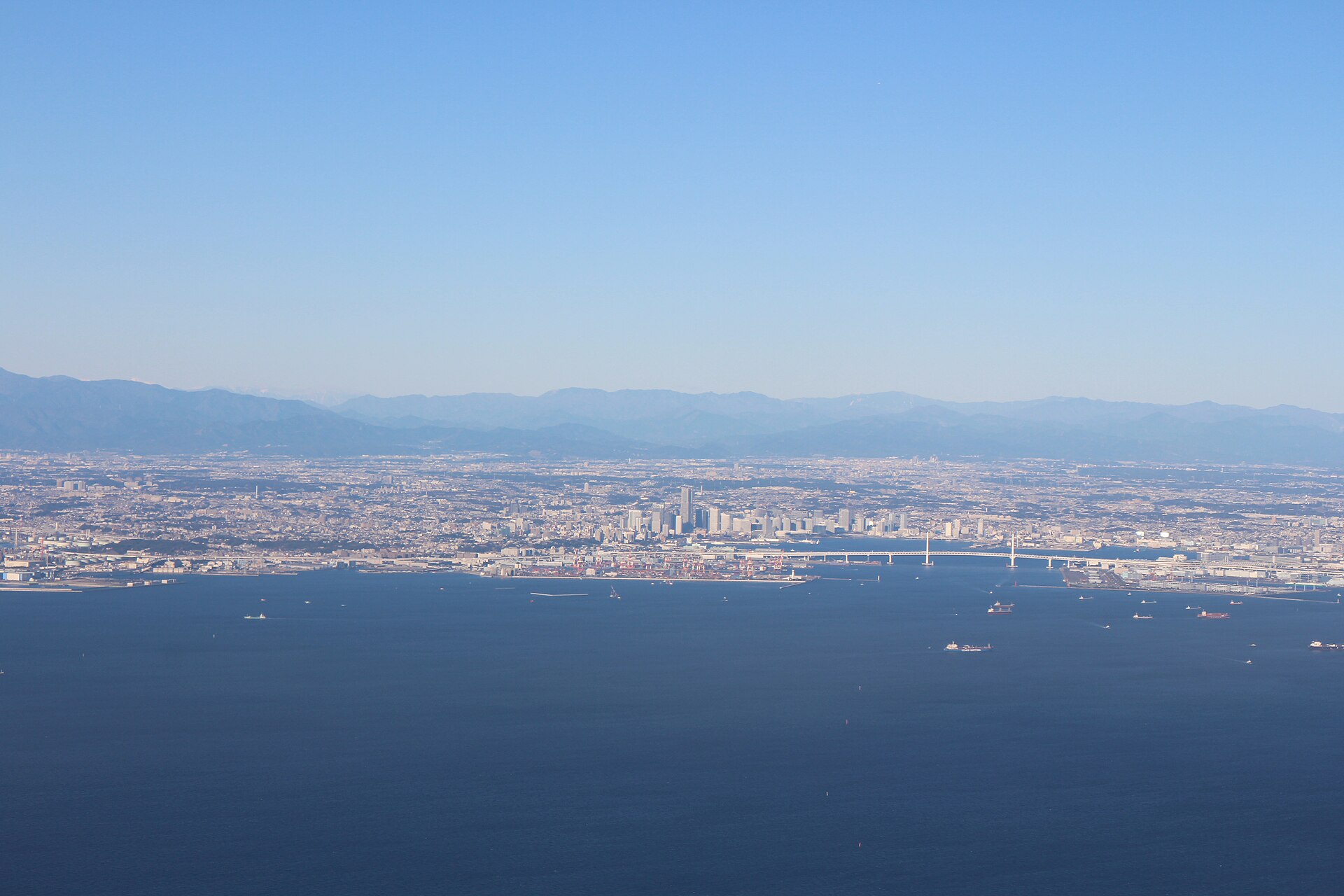
Arrival & Getting Ashore
Getting to the centre: Establish which of Yokohama's cruise terminals your ship uses before choosing a walking route or station.
- Osanbashi: the city's detailed access page gives approximately seven minutes on foot from Nihon-odori station Exits 3 or 4 on the Minatomirai line.
- Shinko, also called Yokohama Hammerhead: the city's access guide gives ten minutes on foot from Bashamichi station Exit 4, or fifteen minutes from Sakuragicho.
- Daikoku: use the ship's arranged transfer if offered, a taxi, or a bus connection whose stop and final walk you understand.
Walking estimates checked 2026-09-25 against the city terminal pages; they are terminal access estimates, not timed walks from your cabin or gangway.
Ships dock alongside. The city explains that Daikoku receives particularly large ships unable to pass beneath the Yokohama Bay Bridge. Daikoku operates for cruise calls and has no nearby shops or terminal cafes, so do not plan to solve an incomplete sightseeing itinerary by simply walking out into a visitor district.
About this port
Yokohama is a worthwhile city stop in its own right, with waterfront parks, Chinatown and the Red Brick Warehouse district. A call marketed as access to Tokyo does not require you to spend the day travelling there.
The crucial arrival distinction is between central Osanbashi or Shinko and the more remote Daikoku terminal. A waterfront walking plan that works from Osanbashi cannot be applied unchanged to a ship at Daikoku.
If your cruise also calls at Hakodate, use its port guide to plan that day ashore.
Getting Around
From Osanbashi or Shinko, keep the first part of the day around the central waterfront. For longer journeys, the Minatomirai line provides a useful connection, but the most convenient station depends on the terminal.
For Daikoku, the municipal access guide lists bus 109 from Yokohama station, followed by an approximately eight-minute walk from Daikoku Zeikan Seimon-mae, and bus 17 from Tsurumi, followed by approximately nine minutes from Daikoku Zeikan-mae. These directions, checked 2026-09-25, describe the terminal approach. For the trip into town, establish the correct opposite-direction boarding stop before leaving the terminal. The city warns that the buses can be crowded when cruise ships call.
Tokyo needs a separate outward-and-return rail plan. Decide which Tokyo neighbourhood you want to see and calculate the whole journey from your terminal, rather than using a station-to-station estimate as your total travel time.
Things to Do
Waterfront and Chinatown: combine Yamashita Park with a meal in Chinatown. The park gives you space beside the harbour, while Chinatown changes the focus from views to streets and food. This is an adaptable plan from a central terminal: shorten the walk or meal stops if disembarkation takes longer than expected.
Shinko and the Red Brick Warehouse area: make the waterfront around Shinko your starting point, particularly from Hammerhead. Yokohama's official visitor itineraries pair the Red Brick Warehouse with other central sights. Choose this side of the waterfront if it is more convenient for your berth rather than crossing town merely to follow a generic list.
Tokyo as the main outing: commit to a limited area and protect the return journey. If the call is short, the terminal is Daikoku, or someone in the party dislikes repeated transfers, staying in Yokohama is a practical destination choice rather than a consolation.
Getting back to your ship
Keep the terminal name in Japanese as well as English: Osanbashi, Shinko/Hammerhead and Daikoku are not interchangeable destinations.
For Osanbashi, include the final walk from Nihon-odori after your train arrives. For Shinko, return to the Hammerhead cruise terminal entrance rather than merely the wider restaurant and shopping complex. At Daikoku, retain enough time for the road journey and the final terminal approach; do not assume a bus will have spare capacity simply because it is on the timetable.
If using a ship shuttle, photograph its exact pickup location in town and note the last departure separately from the ship's all-aboard time. A final photograph at the waterfront is optional; making the correct terminal is not.
Practical Information
Save the terminal address and access page offline before disembarking. The city's instructions contain specific station exits and bus-stop names, which are more useful than a broad map pin for Yokohama Port.
A central berth makes walking convenient, but plan accessibility across the complete route: station exits, pavement and terminal approach. Request assistance for your own gangway and transport needs through the cruise line.
Sources
Sites consulted: city.yokohama.lg.jp, osanbashi.jp, yokohamajapan.com. Details can change after a guide is checked, so confirm time-sensitive points with the operator. How we check our guides.
Printed from https://portatlas.co.uk/asia/japan/yokohama/. Guide check date appears above; consult the sources for time-sensitive details.