Vigo cruise port guide
Cruise port for Santiago de Compostela
Vigo offers a practical independent town visit from its central cruise quays.
Your arrival at a glance
- Arrival
Ships dock alongside.
- Getting into town
See where each route starts and ends
Fares checked .
- Walking
You can walk, but check the conditions first. About the walk. Step-free details
- Getting back
Spain · North Sea & Atlantic Europe · Large ships
Checked by Najapi on · Source policy · Suggest a correction
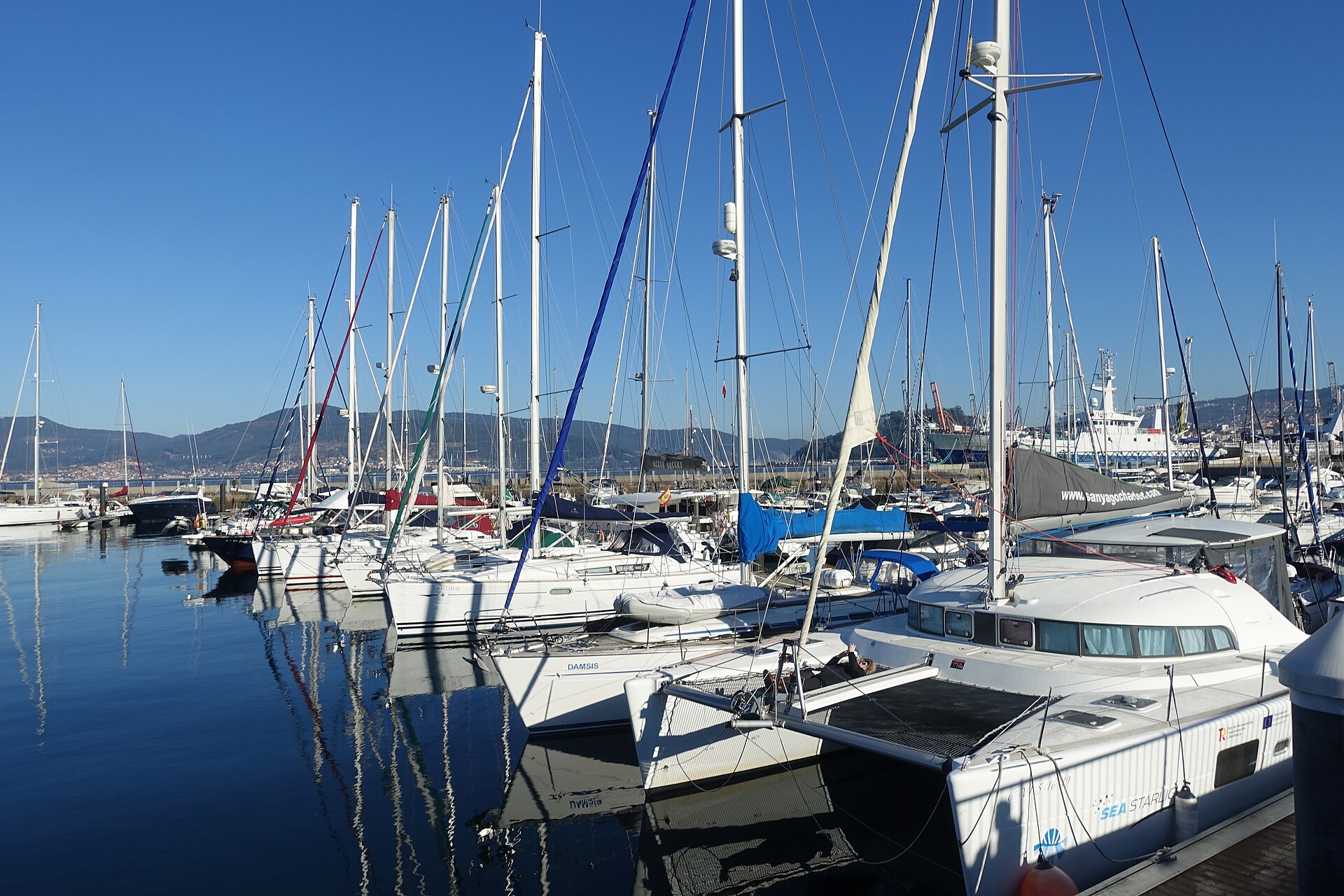
Arrival & Getting Ashore
Getting to the centre: From Muelle de Transatlánticos and the Alberto Durán maritime station, walk into the old town towards Praza da Constitución; the waterfront bus is an option for continuing farther through Vigo.
- Walk: realistic for the waterfront and old town, but the climb to Praza da Constitución involves slopes and stairs.
- Public transport: Vitrasa bus C1 serves the maritime-station waterfront at Rúa de Cánovas del Castillo, 18, towards Praza de América; €1.63 one-way for an ordinary single ticket.
- Step-free: the supplementary El Tinglado terminal at Muelle de Comercio has no architectural barriers, according to the port; the old-town walk includes changes of level.
Prices checked 2026-09-08. Sources: Port facilities, Old-town route, Vitrasa waterfront stop, Vitrasa fares.
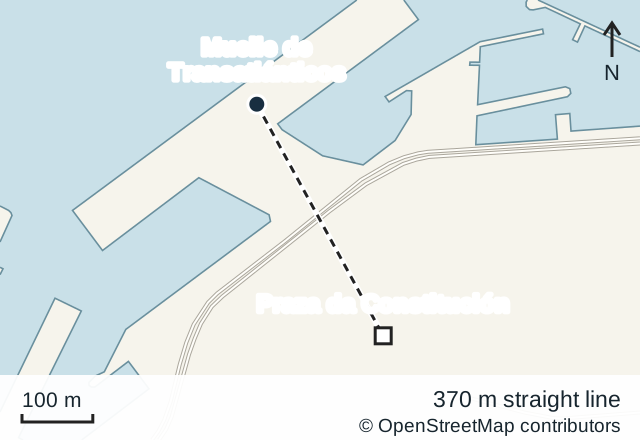
Orientation, not a walking route
© OpenStreetMap contributors · Open in OpenStreetMap
The Port Authority identifies two arrival areas. Muelle de Transatlánticos has the main cruise facilities in the Alberto Durán maritime station. Muelle de Comercio has the supplementary El Tinglado del Puerto terminal, used to handle additional calls. Both connect to the central pedestrian waterfront and city streets. Port Authority facilities
Record your actual terminal before setting off: directions back to the main maritime station will not necessarily return you to the correct gangway. Follow the passenger exit. Central berthing makes a shuttle unnecessary for a waterfront walk, but does not remove the uphill approach to the old town.
About this port
Vigo offers a practical independent town visit from its central cruise quays. The main constraint is the slope: the old town rises above the waterfront, and its routes include stairs. A short call works well as a walk through a few streets and squares; an island trip requires a separate transport plan.
Getting Around
Use walking for the lower centre and allow for gradients before adding distance. Vigo Tourism's old-town route begins at the cruise pier and warns of slopes and stairs. Its full sightseeing route takes roughly 90 minutes with stops; this is a circuit, not the direct time from your berth to the centre.
The tourism board says alternative routes are available for people with reduced mobility. Use those alternative directions if stairs are difficult. If arranging a vehicle, give both your destination and return terminal and agree the collection point.
Things to Do
For a short call: choose the Co-Cathedral and Praza da Constitución, with time to pause in the surrounding old-town streets. Walk back towards the waterfront when your remaining time reaches the return margin you set on leaving. This is our compact selection from the tourism board's route, which extends farther through the city.
For an island day: Cíes lies at the mouth of the Vigo estuary. The National Park requires advance Xunta authorisation before purchasing a public ferry ticket in high season. Outside high season, access is through organised groups with an accredited guide. Use the park's access page for applicable dates, authorised carriers and the authorisation link. Cíes visitor guidance
Only choose Cíes when both sailings fit your call with a substantial return margin. Authorisation reserves access to the islands; it does not solve the risk of a delayed return ferry. For a short or uncertain call, remaining in Vigo gives you more control over the return.
Getting back to your ship
The tourism board says alternative routes are available for people with reduced mobility. Use those alternative directions if stairs are difficult. If arranging a vehicle, give both your destination and return terminal and agree the collection point.
Practical Information
- Money: euro (€).
- Emergency: 112 is free throughout Spain.
- Walking: choose footwear suited to slopes and steps. A short route can still be demanding.
- Tickets: follow the National Park's authorisation process and carrier list. Keep both authorisation and ferry confirmation available offline.
Frequently asked
Can you walk into Vigo from the cruise port? Yes, the central quays connect to the pedestrian waterfront and old town. The route to Praza da Constitución climbs and includes slopes and stairs.
How much does a bus from Vigo’s cruise waterfront cost? €1.63 one-way for an ordinary single ticket. Vitrasa C1 stops at Rúa de Cánovas del Castillo, 18, towards Praza de América.
Do cruise ships dock or tender in Vigo? They dock at Muelle de Transatlánticos or the supplementary Muelle de Comercio. Note which terminal you used for your return.
Is Vigo’s El Tinglado cruise terminal step-free? Yes, the port describes the terminal as free of architectural barriers. That does not make the uphill old-town walking route level.
Sources
Sites consulted: apvigo.es, turismodevigo.org, illasatlanticas.gal, spain.info, vitrasa.es. Details can change after a guide is checked, so confirm time-sensitive points with the operator. How we check our guides.
Printed from https://portatlas.co.uk/europe/spain/vigo/. Guide check date appears above; consult the sources for time-sensitive details.