Longyearbyen, Svalbard cruise port guide
Longyearbyen is a practical introduction to Svalbard: a settlement where Arctic landscapes, mining history and scientific activity meet.
Your arrival at a glance
- Arrival
Ships dock alongside.
- Getting into town
Figures are from Bykaia cruise quay to Svalbard Museum in Forskningsparken, on the town-centre side of Longyearbyen.
- Walking
You can walk, but check the conditions first. About the walk
Norway · Norwegian Fjords & Arctic Norway · Small ships
Checked by Najapi on · Source policy · Suggest a correction
Arrival & Getting Ashore
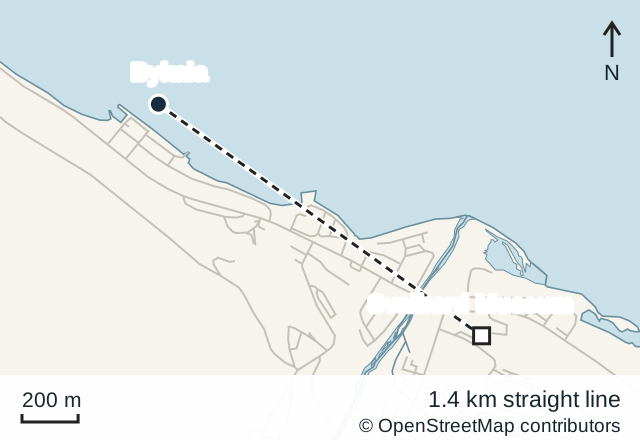
Getting to the centre: Figures are from Bykaia cruise quay to Svalbard Museum in Forskningsparken, on the town-centre side of Longyearbyen.
- Distance: 1.9 km, Bykaia to Svalbard Museum.
- Walk: about 20–25 minutes; realistic along the main road, though the route is not designed for large cruise crowds.
- Shuttle: run by your cruise line, price varies by ship.
Sources: Svalbard Museum, Cruise Norway port manual, Hurtigruten.
Orientation, not a walking route
© OpenStreetMap contributors · Open in OpenStreetMap
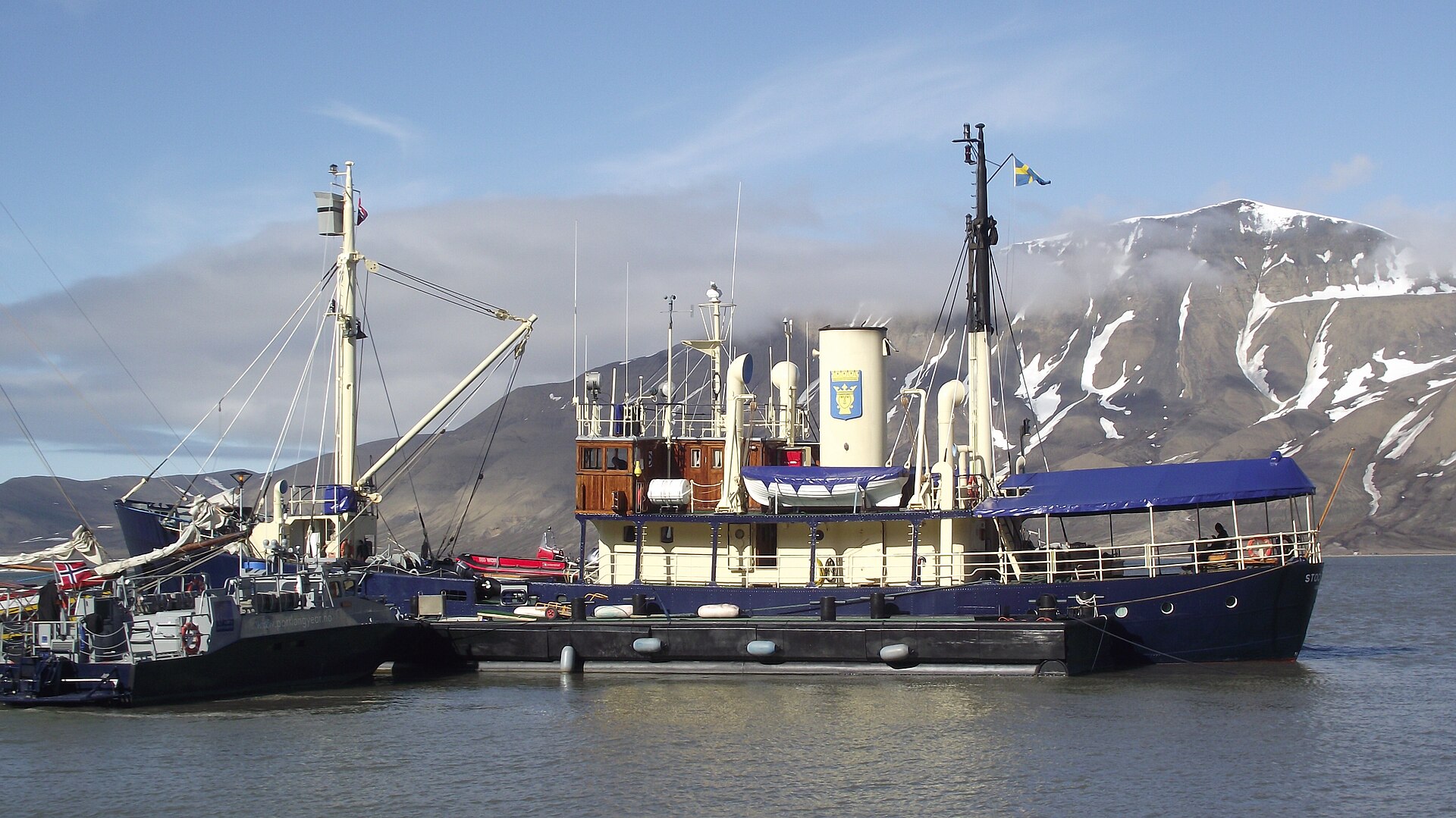
The port authority says conventional cruise ships dock at Bykaia. Smaller expedition and passenger vessels use the floating Turistkaia, while Tenderkaia serves vessels moved to the Adventfjord anchorage when berth capacity is tight.
Bykaia is an ISPS terminal with a staffed security gate. Follow the signed exit and main road towards town; the museum's own directions give the 1.9 km route and 20–25-minute walking time. A floating pier still allows a walk ashore and is not itself a tender journey.
Before leaving the harbour on foot, follow the locally designated route towards town. Visit Svalbard places polar-bear warning signs near the western edge of the settlement by the port; walking away from town along the coast is a different undertaking.
About this port
Longyearbyen is a practical introduction to Svalbard: a settlement where Arctic landscapes, mining history and scientific activity meet. A short call works well as a town visit, with Svalbard Museum as the main indoor stop. Excursions beyond the settlement require more planning and a qualified local guide.
Keep the scale of the day realistic. Mountains visible from the waterfront are not an invitation to set out independently. Svalbard's environmental conditions and polar-bear precautions make a guided outdoor activity fundamentally different from a casual mainland walk.
Getting Around
Explore on foot within the area marked for independent walking. Visit Svalbard says there is no ordinary public-transport network apart from the airport shuttle. Two local taxi companies operate around the clock, and arranged tours provide another alternative.
Stay inside the area identified by local visitor guidance for independent walking. Beyond it, go with a professional guide equipped for polar-bear protection and remote communications. Do not use the absence of a visible animal as a reason to ignore the boundary. Walk on the left when a road has no pavement, as the local community guidance requests.
Things to Do
Svalbard Museum. The cultural and natural history museum provides a useful foundation for the rest of your visit. Its permanent exhibition, A Changing World, explores the archipelago and the human stories behind the settlement. Check the museum's current information for opening and guided tours; it is a strong choice when cloud or wind reduces the appeal of outdoor activities.
Explore the settlement. Allow time to observe the town's relationship with its surrounding valley and fjord, then stop at its shops or cafés. Treat residential streets as people's homes: ask before photographing residents and respect privacy around schools and kindergartens. Give animals space and leave flowers and historical remains undisturbed.
Choose one guided Arctic outing. Locally organised activities offer a way to venture further while keeping safety arrangements with people who know the terrain. Select an outing with a clear return time and realistic equipment requirements. A long boat journey or substantial hike may use the whole call; it should not be an extra squeezed in after the museum.
Getting back to your ship
We haven't written separate return advice for this port yet. The arrival section and getting around cover the routes back.
Practical Information
Use Norwegian kroner (NOK). Norwegian is used locally, and visitor services commonly use English. Card payments are widely accepted, but retain your ship's contact details offline rather than depending on connectivity throughout an excursion.
Carry warm layers, waterproof outerwear, gloves and sturdy footwear. Follow posted instructions about removing outdoor shoes inside buildings. For emergencies, call 110 for fire, 112 for police or 113 for an ambulance; outside coverage, the expedition team's communications are essential. Svalbard is on UNESCO's Tentative List, which is not World Heritage inscription.
Frequently asked
Can you walk from Longyearbyen cruise port to Svalbard Museum? Yes. The route from Bykaia is 1.9 km and takes about 20–25 minutes along the main road; it is realistic, although the road is not designed for large cruise crowds.
How far is Longyearbyen town centre from Bykaia? About 1.9 km to Svalbard Museum on the town-centre side of the settlement.
Do cruise ships dock or tender in Longyearbyen? They normally dock at Bykaia. The port can move a ship to the Adventfjord anchorage when berth capacity is tight, with tenders using Tenderkaia.
Is there public transport from Longyearbyen cruise port? No. Longyearbyen has no ordinary public-transport network apart from the airport shuttle; walking, ship transport, taxis and arranged tours are the practical options.
Sources
Sites consulted: portlongyear.no, cruiseeurope.com, svalbardmuseum.no, cruise-norway.no, hurtigruten.com, en.visitsvalbard.com, whc.unesco.org, visitnorway.com. Details can change after a guide is checked, so confirm time-sensitive points with the operator. How we check our guides.
Printed from https://portatlas.co.uk/europe/norway/longyearbyen/. Guide check date appears above; consult the sources for time-sensitive details.