Stavanger cruise port guide
Stavanger works particularly well as a city visit.
Your arrival at a glance
- Arrival
Ships dock alongside.
- Getting into town
Strandkaien is the main cruise quay beside Vågen, with Fisketorget (the fish market) as a central waterfront landmark; the walking range covers the city's central cruise quays.
- Walking
You can walk into town. About the walk
- Getting back
Norway · Norwegian Fjords & Arctic Norway · Large ships
Checked by Najapi on · Source policy · Suggest a correction

Arrival & Getting Ashore
Getting to the centre: Strandkaien is the main cruise quay beside Vågen, with Fisketorget (the fish market) as a central waterfront landmark; the walking range covers the city's central cruise quays.
- Walk: about 5–10 minutes into the centre, depending on the quay; realistic on the harbour-front route, with cobbled lanes when you turn into Gamle Stavanger.
Sources: P&O Cruises port guide, Port of Stavanger, Regional tourism board: Vågen.
Orientation, not a walking route
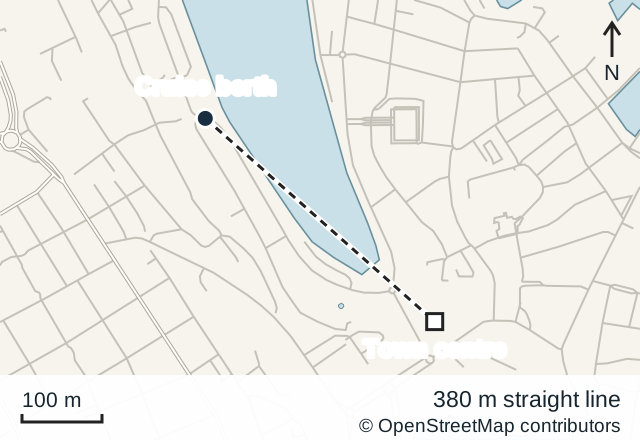
© OpenStreetMap contributors · Open in OpenStreetMap
For a central Stavanger call, ships berth alongside near the city centre. The port authority identifies four cruise quays: Strandkaien, Konserthuskaien, Skagenkaien and Skansekaien, with Strandkaien as its main cruise quay. Shops, cafés and services are nearby; the waterfront around Vågen is a useful reference point for beginning a visit.
Follow the port’s pedestrian route. If your itinerary specifies Sandnes, use the Sandnes guide: it is a separate arrival with different transport requirements.
Gamle Stavanger’s sloping, cobbled lanes can be difficult for wheelchair users; arrange any needed gangway assistance with the ship.
About this port
Stavanger works particularly well as a city visit. The harbour, wooden streets of Gamle Stavanger and museums about canning, printing and petroleum provide several different ways to spend a few hours ashore. Choose one museum and a walking route, leaving time for a café or the shops around the centre.
Lysefjord is an alternative main outing. A sightseeing boat and the hike to Preikestolen offer very different experiences, and neither should be added casually to a full programme in town.
Getting Around
Walking links the central harbour and most sights described here. The Norwegian Petroleum Museum gives a waterfront approach along Skagenkaien and the Blue Promenade. IDDIS is in Gamle Stavanger, reached through its residential streets.
For journeys beyond the centre, use Kolumbus for current buses, tickets and route planning. Establish your return before leaving town.
Things to Do
Explore Gamle Stavanger. The old neighbourhood's wooden houses give a sense of the city before the oil industry. Walk the public lanes, look for galleries and take photographs without entering gardens or looking through residents' windows. These are lived-in homes, so keep groups moving and noise low.
Visit IDDIS. The Norwegian Printing Museum and Norwegian Canning Museum share a setting in the old town. Displays connect the manufacture of canned fish with the labels and printing businesses that supported it. Choose this stop for a closer look at how people worked in Stavanger. Check the museum programme if a demonstration is important to your visit.
Understand Norway's offshore industry. The Norwegian Petroleum Museum at Kjeringholmen uses equipment, models and interactive exhibits to explain extraction technology and the industry's effects on Norwegian society and climate. Its visitor information gives the current programme and admission arrangements. The museum reports adapted exhibition areas and toilets for wheelchair users.
Choose a Lysefjord excursion. A boat trip shows the fjord from water level. Confirm the departure quay, duration and return margin before booking. It does not place you on top of Preikestolen.
Treat Preikestolen as a substantial hike. Visit Norway describes an approximately eight-kilometre return walk taking around four hours, with steep sections and rough terrain. That estimate excludes transport from Stavanger, breaks and queues. It is only suitable for a call that accommodates the whole journey and for passengers equipped for the conditions.
Getting back to your ship
For journeys beyond the centre, use Kolumbus for current buses, tickets and route planning. Establish your return before leaving town.
Practical Information
The currency is the Norwegian krone (NOK). Norwegian is spoken locally and English is widely understood. Emergency numbers are 110 fire, 112 police and 113 ambulance.
Bring rain protection and footwear with grip. Museum hours and demonstrations vary, so consult the relevant operator. Keep a note of the quay name and the ship's return deadline; the fact that you can see the vessel across the harbour does not mean the route back is immediate.
Frequently asked
Can you walk from Stavanger cruise port into the centre? Yes. The central cruise quays are about a 5–10-minute walk from the centre. Strandkaien is beside Vågen, where Fisketorget provides a useful waterfront landmark.
Do cruise ships dock or tender in Stavanger? They dock alongside. Strandkaien is the main cruise quay; Konserthuskaien, Skagenkaien and Skansekaien are the other central cruise quays.
Is Sandnes the same cruise port as Stavanger? No. Sandnes is a separate arrival with different transport requirements; use the Sandnes guide if that is your berth.
Is Stavanger's old town easy to visit in a wheelchair? No. Its sloping, cobbled lanes can be difficult. The Petroleum Museum reports adapted exhibition areas and toilets for wheelchair users.
Sources
Sites consulted: pocruises.com, stavangerhavn.no, business.edgeofnorway.com, edgeofnorway.com, iddis.no, norskolje.museum.no, visitnorway.com, kolumbus.no. Details can change after a guide is checked, so confirm time-sensitive points with the operator. How we check our guides.
Printed from https://portatlas.co.uk/europe/norway/stavanger/. Guide check date appears above; consult the sources for time-sensitive details.