Dénia cruise port guide
Dénia combines a working harbour with a castle above the old streets and a strong food culture.
Your arrival at a glance
- Arrival
Ships either dock or anchor and tender you ashore. About tendering
- Getting into town
Figures are from Moll de la Pansa and the Baleària maritime station to La Panseta's city-centre waterfront landing.
- Walking
About 15 minutes; realistic on the pedestrian links between the port area and centre. If you tender, the walk starts at the landing.
- Getting back
Spain · Western Mediterranean · Small ships
Checked by Najapi on · Source policy · Suggest a correction
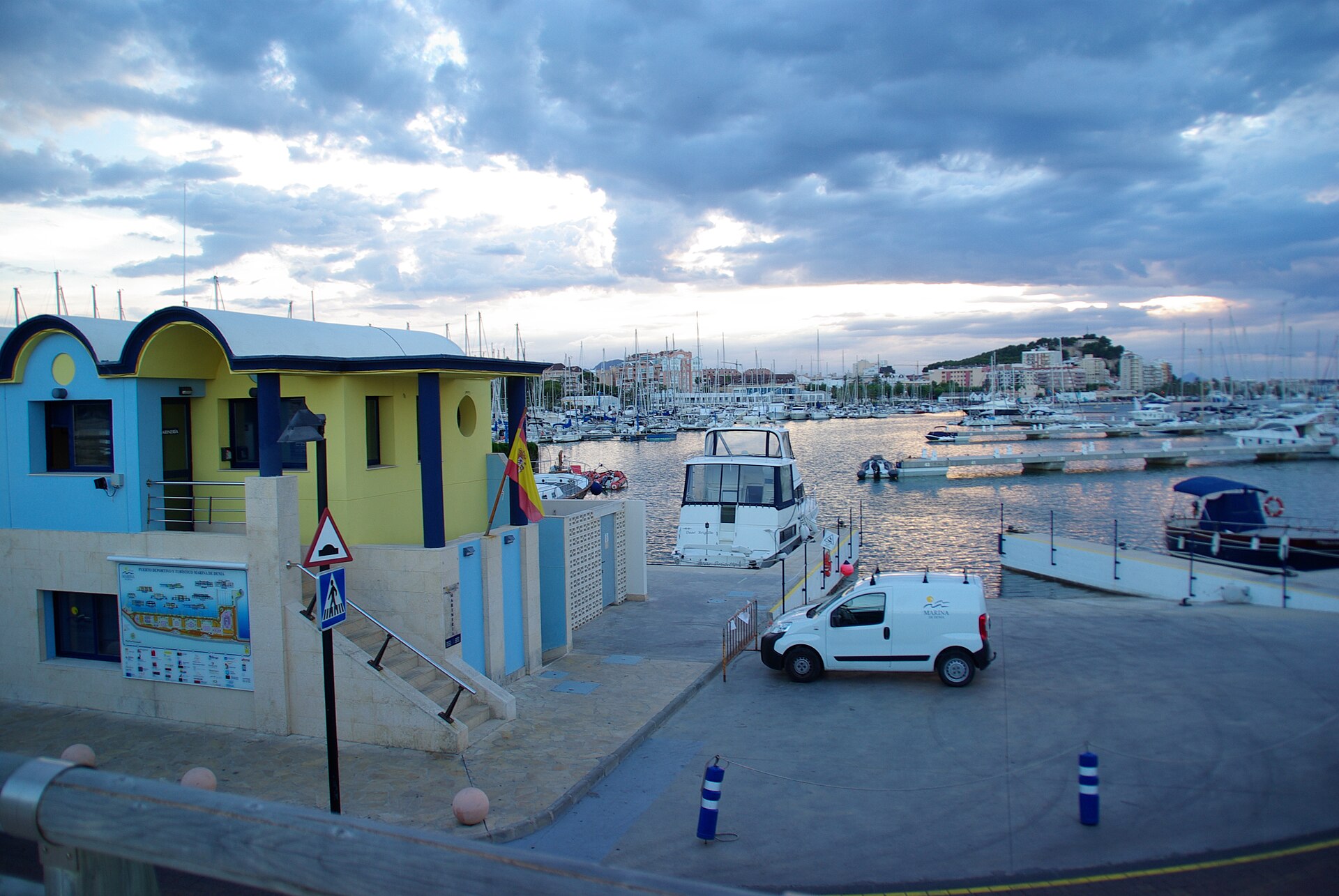
Arrival & Getting Ashore
Getting to the centre: Figures are from Moll de la Pansa and the Baleària maritime station to La Panseta's city-centre waterfront landing.
- Walk: about 15 minutes; realistic on the pedestrian links between the port area and centre.
- Shuttle: free La Panseta solar boat between the maritime station and the city-centre waterfront.
Sources: Dénia access guide, Dénia pedestrian plan, Baleària La Panseta.
Orientation, not a walking route
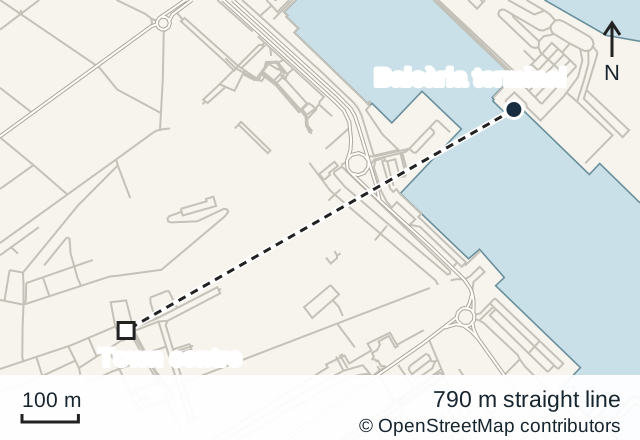
© OpenStreetMap contributors · Open in OpenStreetMap
Both docking and tendering have been documented at Dénia. A 2019 local report records SeaDream II alongside at Moll de la Pansa beside the Baleària passenger terminal, and contrasts this with SeaDream I's earlier offshore calls using small boats. SeaDream also retains Dénia in its destination information.
These reports support mixed access. Your ship's daily programme identifies whether that call uses the berth or tenders and gives the return point. A ferry terminal or marina shown on a map may not be your arrival point.
For a tender call, allow for the boat crossing and queue. From the maritime station, the free solar boat La Panseta crosses to the city-centre waterfront. Port-area walking routes are within about 15 minutes of the centre. Passengers using mobility aids should confirm boarding assistance because tender boats and gangways vary by ship.
About this port
Dénia combines a working harbour with a castle above the old streets and a strong food culture. For a short call, a town walk and a leisurely meal make a more practical plan than trying to explore the whole coast or climb Montgó.
The harbour is close to the urban centre, but its ferry terminal, marinas and possible cruise landing points are separate places. Establish where you will come ashore before deciding how much walking to include.
Getting Around
The old centre is best explored on foot if you are comfortable with the climb towards the castle. Keep an easier alternative in the lower streets and the maritime neighbourhood of Baix la Mar.
For a taxi, ask arrival staff or the tourist office to arrange collection at a named point. Specify whether you want the castle approach, the centre or the harbour; these are not interchangeable destinations.
A visit to Montgó or another coastal town needs a separate transport plan. Avoid building the day around a return public service until you have checked the timetable and the connection back to the landing. With only a few hours ashore, staying within Dénia leaves more time for the town itself.
Things to Do
Make the castle your principal stop. The hilltop landmark gives a town walk a clear destination. Its approach and historic surfaces involve more effort than walking the lower streets. Check opening and admission information through Dénia's municipal tourism service before starting uphill, especially if access to a particular museum space matters to you.
Explore the neighbourhoods below it. The historic centre links Les Roques and Baix la Mar with churches, museums and everyday streets. Choose a compact circuit rather than trying to cover every district. Baix la Mar provides a maritime counterpoint to the castle, and works well for a lower-level visit.
Allow time for food. Dénia belongs to UNESCO's Creative Cities Network in the field of gastronomy. This recognises its food culture and related work; it is different from a World Heritage inscription. Choose a restaurant around the time you actually have available, and ask about preparation time before ordering a substantial meal.
Enjoy the waterfront. Watching the activity from public harbour areas can complete a local visit. Keep clear of working quays and boat-service areas, and do not assume that a route through a marina is the route back to your ship’s passenger entrance.
Getting back to your ship
A visit to Montgó or another coastal town needs a separate transport plan. Avoid building the day around a return public service until you have checked the timetable and the connection back to the landing. With only a few hours ashore, staying within Dénia leaves more time for the town itself.
Practical Information
Use euros (€). Spanish and Valencian are used in Dénia. The emergency number is 112.
Take water, sun protection and shoes suitable for the castle approach. Keep the ship's return deadline and landing instructions with you. Check attraction hours, fares and restaurant availability directly.
Frequently asked
Can you walk from Dénia port into the centre? Yes. Municipal walking information places the port-area connections within about 15 minutes of the centre.
Is there a shuttle from Dénia maritime station to the centre? Yes. La Panseta is a free solar boat between the maritime station and the city-centre waterfront.
How long does it take to reach central Dénia from the port? About 15 minutes on foot from the port area.
Do cruise ships dock or tender in Dénia? Both have been documented: SeaDream II berthed at Moll de la Pansa, while SeaDream I used tenders on earlier calls.
Sources
Sites consulted: comunitatvalenciana.com, denia.com, denia.net, unesco.org, spain.info, lamarina.eldiario.es, seadream.com, denia.es, balearia.com, itsiscv.san.gva.es. Details can change after a guide is checked, so confirm time-sensitive points with the operator. How we check our guides.
Printed from https://portatlas.co.uk/europe/spain/denia/. Guide check date appears above; consult the sources for time-sensitive details.